The Art of Constant Evolution: How Change Has Shaped Siam-CS Management

From a small family business to an international hospitality management company — why embracing change has always been part of our DNA.
At Siam-CS Management, we believe that a successful company is not simply one that adapts to change, but one that actively participates in shaping the environment around it.
Since our beginnings in Koh Samui in 2015, our journey has been one of continuous growth, learning, adaptation and transformation.
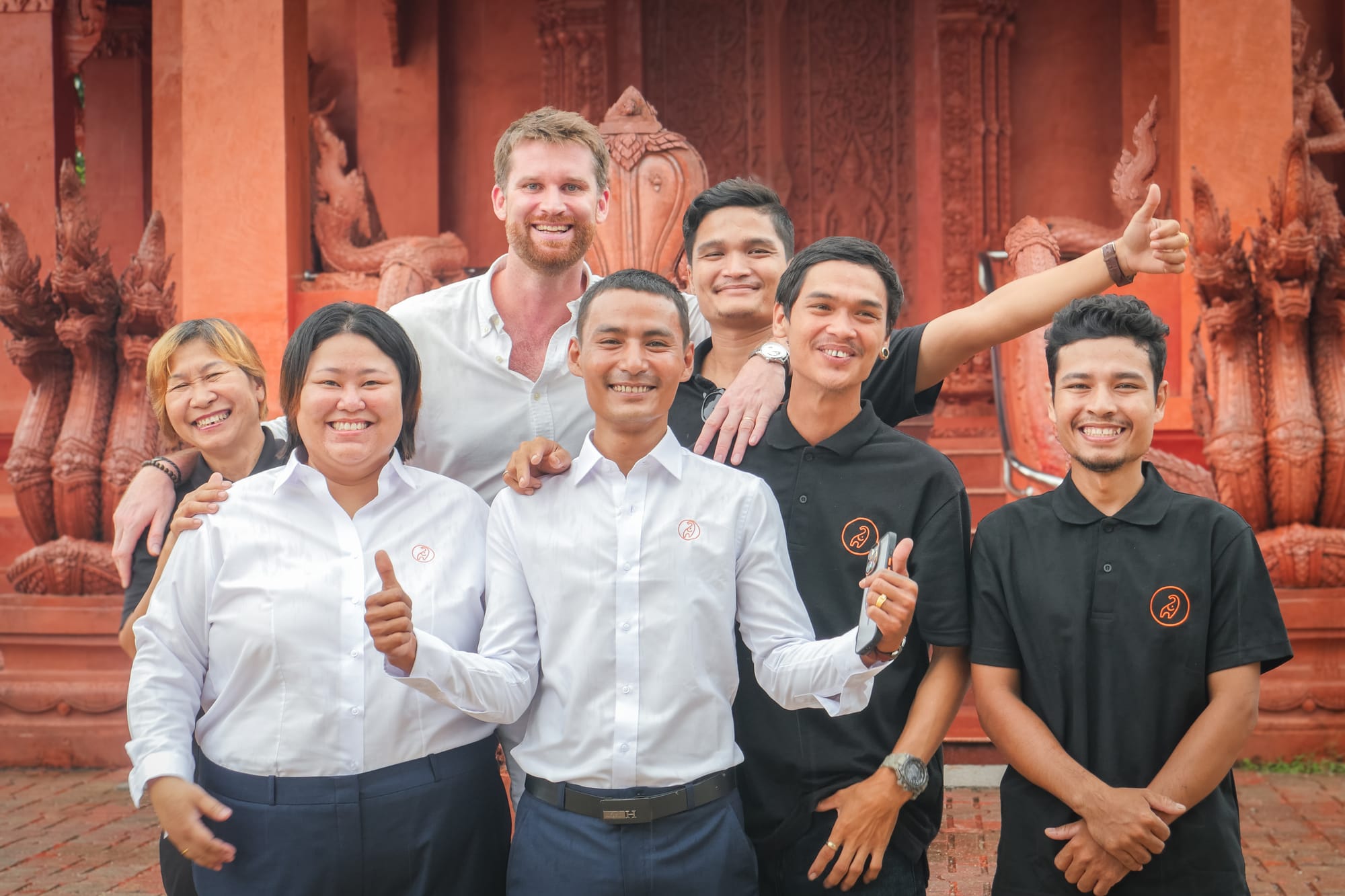
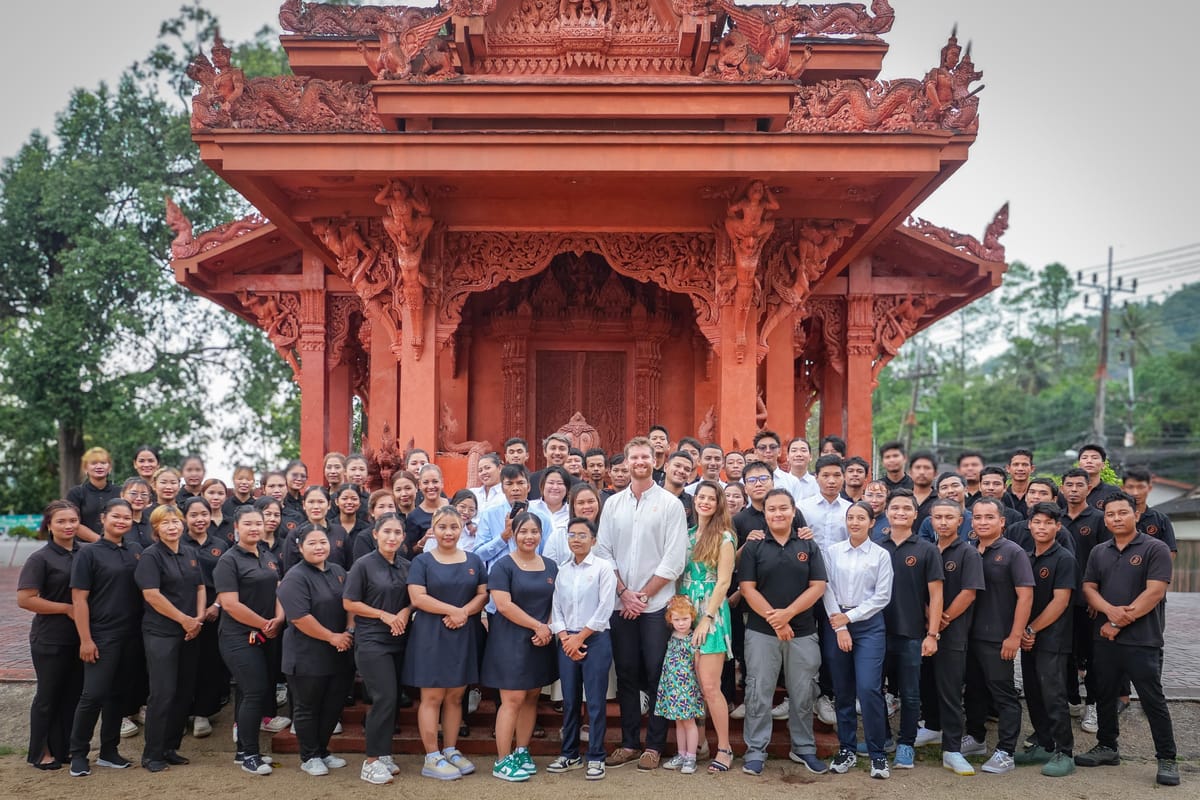
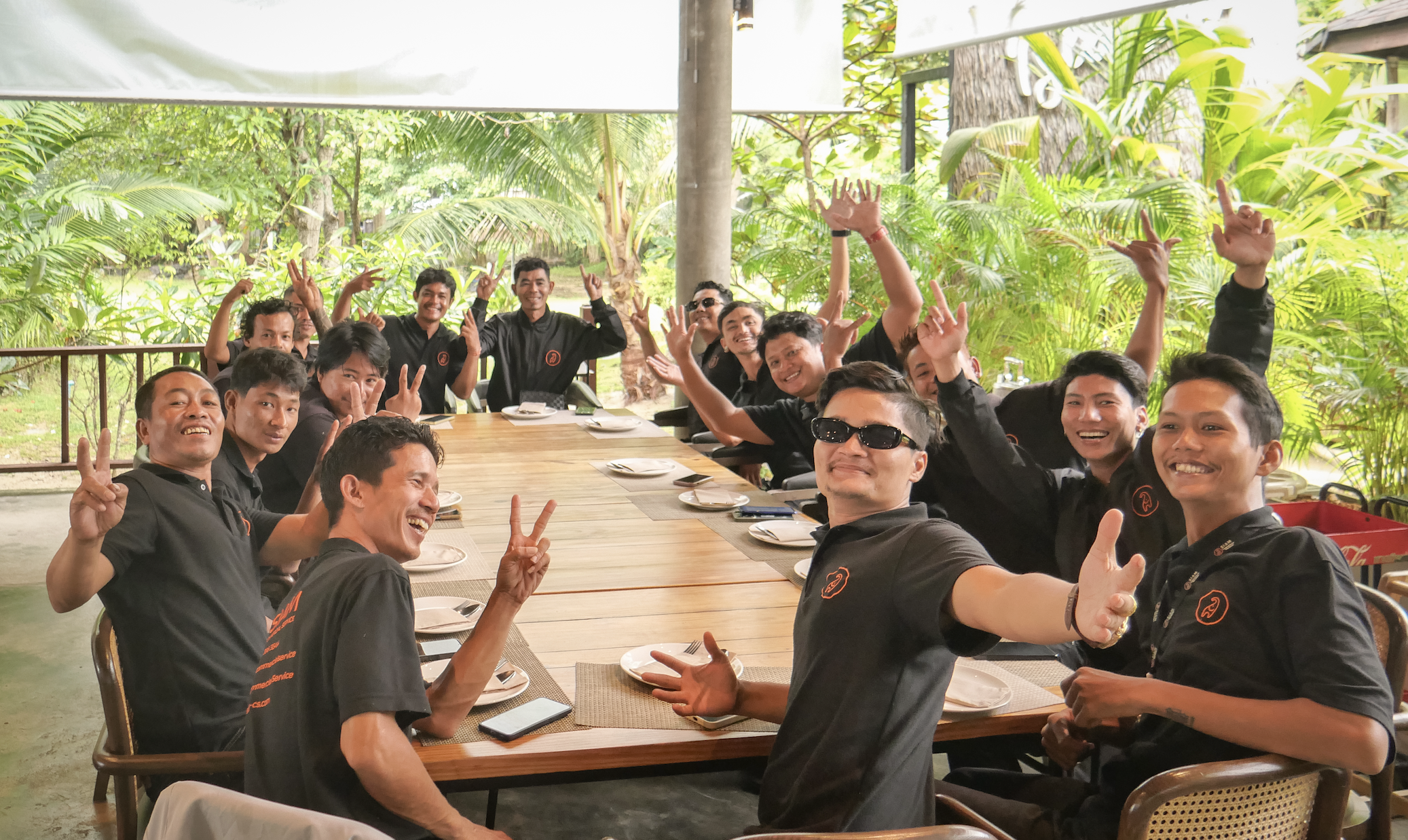
What started as a small family business managing just four properties has evolved into a hospitality and property management organisation overseeing more than 150 villas and residences, supported by a team of over 75 professionals.
But our story is about much more than growth.
It is about understanding that organisations are never truly static. They evolve alongside their environment, responding to challenges, creating opportunities and sometimes influencing the very markets in which they operate.
This philosophy closely reflects a fascinating concept developed by organisational theorist Gareth Morgan: the organisation as Flux and Transformation.
1. Understanding the Flux and Transformation Metaphor
In his influential work Images of Organization, Gareth Morgan introduced several metaphors to help us understand how organisations function.
One particularly interesting perspective is that of Flux and Transformation, which views organisations not as fixed structures, but as constantly evolving systems.
Rather than seeing change as an occasional disruption that needs to be managed, this perspective suggests that change is a natural and permanent characteristic of organisational life.
Companies evolve through their relationships, internal decisions, external pressures and interactions with the world around them.
Perhaps even more importantly, Morgan's perspective challenges the idea that organisations simply react to their environment.
Organisations also contribute to creating and transforming that environment through their own actions.
For us at Siam-CS, this distinction is particularly meaningful.
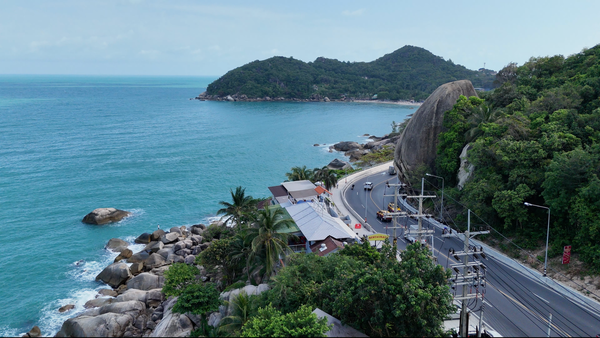
Our company has certainly been shaped by the evolution of Koh Samui's tourism and real estate industries. But through our growth, services, operational standards and business decisions, we have also become participants in the transformation of those industries.
2. From Four Properties to Over 150: A Decade of Transformation
When Siam-CS began its journey in 2015, the business environment was very different.
Koh Samui's villa rental market was developing rapidly, online booking platforms were transforming how travellers found accommodation, and property owners were increasingly looking for professional solutions to manage their investments.
At the time, our operation was simple: a small portfolio, a very limited team and a hands-on approach to virtually every aspect of property management.
As the market evolved, so did we.
Our portfolio expanded, our responsibilities increased and the expectations of property owners and guests became more demanding.
Managing ten properties required a different approach from managing four. Managing fifty required another transformation entirely. And managing more than 150 properties today demands an organisational structure that would have been difficult to imagine during our first years.
We gradually developed dedicated departments for Property Management, Maintenance, Housekeeping, Administration, Guest Communication, Marketing and Business Development.
Processes became more structured. Responsibilities became more specialised. Technology became increasingly important.
We also experienced setbacks, operational challenges and decisions that did not always produce the results we expected.
Each of these experiences contributed to reshaping our organisation.
Our growth did not follow a perfectly designed plan. It emerged through a continuous process of learning, adjusting and reinventing ourselves.
This is precisely what makes the Flux and Transformation metaphor so relevant to our journey.
3. From Family Business to Corporate Organisation
One of our most significant transformations has been internal.
For many years, Siam-CS operated with the flexibility and personal involvement characteristic of a family business.
This approach allowed us to develop strong relationships with property owners, remain close to our teams and react quickly to operational challenges.
However, as our organisation grew, we recognised that the methods that had made us successful in the beginning would not necessarily support our future development.
We needed to evolve.
The appointment of dedicated department leaders, the introduction of clearer management responsibilities and the development of more structured procedures marked an important turning point.
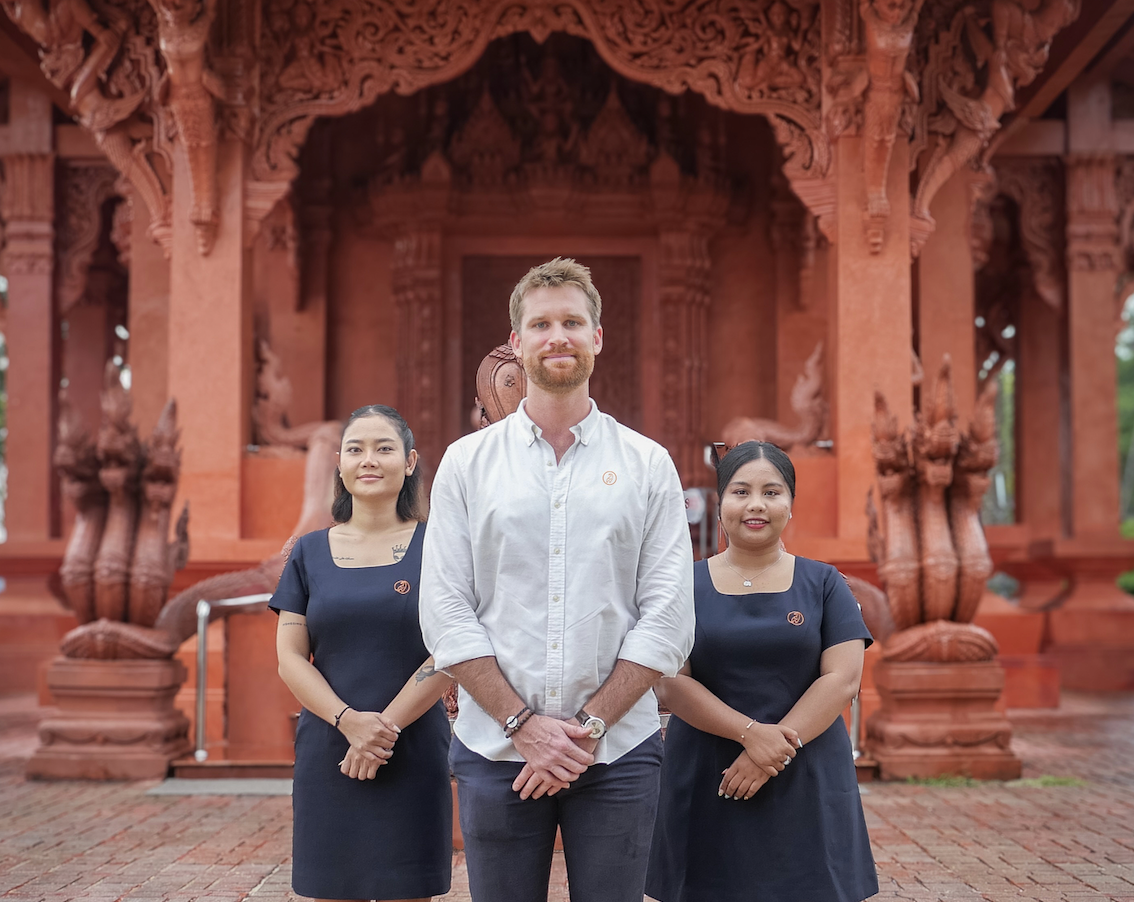
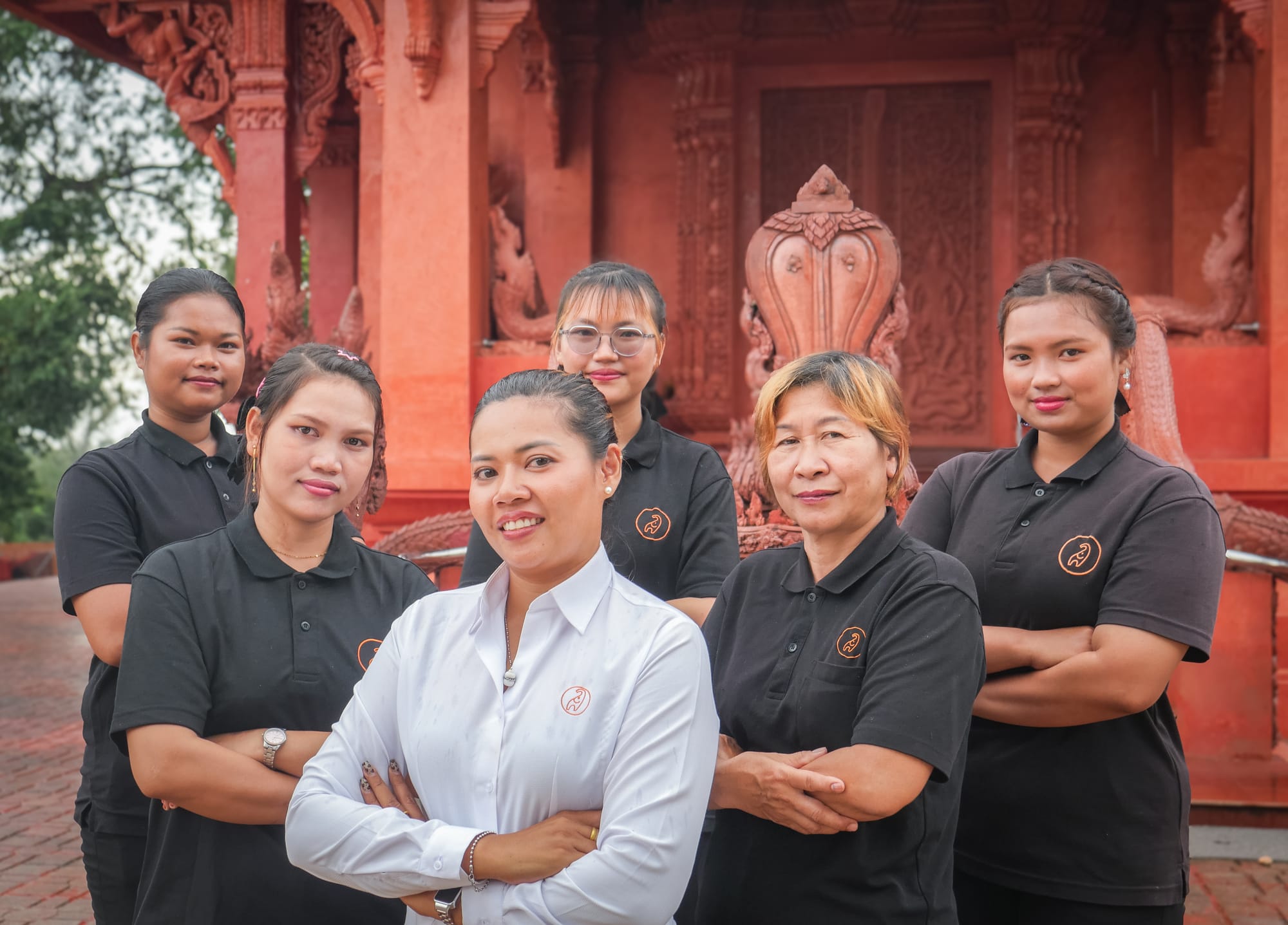
In 2024, the arrival of Yoon “Aqua” Hnin Hnin Lwin to lead our Office Department and Dollaya “Conii” Wongsing to lead Marketing and Business Development helped accelerate this transition.
Our objective was not to abandon the entrepreneurial spirit that had built Siam-CS, but to combine it with the structure, accountability and professionalism required to operate at a larger scale.
This transformation remains ongoing.
We continue to review how departments collaborate, how decisions are made, how employees develop and how we can improve the quality and consistency of our services.
Because we believe that an organization should never become so attached to its existing structure that it loses the ability to evolve.
4. Adapting to an Environment That Never Stops Changing
The hospitality industry is particularly exposed to external change.
Tourism demand fluctuates. Traveller expectations evolve. New technologies emerge. Competition intensifies. Regulations change. Economic and geopolitical developments influence international travel.
For a property management company operating in a destination such as Koh Samui, these changes can have immediate consequences.
Over the years, we have learned that relying exclusively on yesterday's successful strategies is rarely enough.
For example, while short-term holiday rentals have historically represented an important part of our activity, changing market conditions have encouraged us to develop stronger capabilities in medium- and long-term rentals.
Similarly, evolving regulatory requirements have pushed us to reconsider how our services are organised and how different activities should be structured.
Technology represents another major transformation.
Digital guest experiences, automated communication, property management software, artificial intelligence and increasingly sophisticated reporting systems are changing what property owners and travellers expect from professional management companies.
Rather than viewing these developments exclusively as challenges, we see them as opportunities to reconsider how our business operates.
Sometimes, this means improving an existing process.
Sometimes, it means creating an entirely new one.
And sometimes, it requires questioning the business model itself.
5. Beyond Adaptation: Helping Shape the Market Around Us
One of the most interesting ideas behind Morgan's Flux and Transformation metaphor is that organisations do not simply exist within an external environment over which they have no influence.
Their actions can contribute to changing that environment.
This is particularly relevant to our ambitions for Siam-CS.
As our company has grown, so has our ability to influence expectations regarding professional property management in Koh Samui.
Every new operational procedure, service standard, reporting system or technological improvement has the potential to affect more than our internal organisation.
It can influence how property owners evaluate management services, how guests experience private villa accommodation and how employees understand professionalism within the hospitality industry.
Consider preventative maintenance.
Traditionally, property maintenance is often approached reactively: something breaks, someone reports the problem and a technician is sent to repair it.
At Siam-CS, we are working towards a more systematic preventative maintenance approach, with scheduled inspections, documented assessments and forward-looking maintenance planning.
The objective is not simply to repair properties more efficiently.
It is to encourage a different relationship between property owners, managers and maintenance teams — one focused on protecting assets, anticipating problems and improving long-term property performance.
The same principle applies to transparency.
By developing clearer financial reporting, operational documentation and communication procedures, we aim to contribute to higher expectations of accountability within property management.
We do not claim to have transformed the entire industry.
But we recognise that every organisation, through its decisions and practices, participates in shaping the standards and expectations of its market.
And as our company continues to grow, we believe this responsibility becomes increasingly important.
6. Technology as a Driver of Transformation
Our next stage of development will be closely connected to technology.
The property management industry still relies heavily on manual processes, fragmented communication and individual employee knowledge.
While personal service will always remain central to hospitality, we believe technology can significantly improve consistency, transparency and operational efficiency.
At Siam-CS, we are exploring how integrated management systems, digital reporting, automated workflows and artificial intelligence can support our teams.
Our ambition is not to replace the human relationships that define our services.
It is to give our employees better tools, reduce unnecessary administrative work and allow our teams to concentrate on delivering a higher level of service.
But technology also illustrates an important characteristic of organisational transformation.
Introducing new software does not automatically improve a company.
It requires changes in employee behaviour, management practices, internal communication and sometimes the organisation's entire approach to delivering services.
In other words, technological transformation is also human and organisational transformation.
7. From Koh Samui to International Opportunities
Today, Siam-CS is entering another important chapter.
After more than a decade of development in Thailand, we are taking steps towards establishing an international presence, including expansion into Europe.
This evolution represents more than geographical growth.
It requires us to reconsider how we organise our activities, develop partnerships, manage international operations and position our services in different markets.
The lessons learned in Koh Samui provide a strong foundation, but we understand that success in one market does not automatically guarantee success in another.
New environments will require new approaches.
New challenges will demand new solutions.
And new opportunities will inevitably influence the organisation we become.
We see international expansion not as the final destination of our development, but as another stage in a much longer process of transformation.
8. Building a Company That Never Stops Learning
Perhaps the most important lesson from our journey is that organisational transformation is not always comfortable.
Growth creates complexity.
New structures introduce new challenges.
Changing established procedures can generate resistance.
And decisions that appear correct today may need to be reconsidered tomorrow.
Over the years, we have made mistakes. We have experienced operational difficulties. We have had to rebuild teams, redesign processes and question decisions that once seemed obvious.
But these experiences have also contributed to our development.
We believe that a company's long-term success depends not only on its ability to execute a strategy, but also on its willingness to question that strategy when circumstances change.
This requires a culture where learning is encouraged, feedback is valued and improvement remains a shared responsibility.
It also requires accepting that transformation is never truly complete.
There will always be better ways to organise our teams, communicate with our clients, manage our properties and develop our services.
The objective is not to build a perfect organisation that never needs to change. It is to build an organisation capable of continuously becoming better.
9. Looking Ahead: Our Role in an Evolving Industry
When we look back at Siam-CS in 2015, it is remarkable how different our organisation has become.
Our services have evolved.
Our teams have grown.
Our management structure has changed.
Our ambitions have expanded beyond the island where everything began.
And yet, the fundamental motivation behind our company remains the same: to provide professional, reliable and personalised property management services while continuously improving what we do.
Gareth Morgan's Flux and Transformation metaphor offers an interesting way to understand this journey.
It reminds us that companies are not isolated structures simply reacting to external events.
They are living, evolving organisations whose actions influence their own development and contribute to shaping the environments in which they operate.
For Siam-CS, this means recognising that our responsibility extends beyond adapting to changes in the hospitality industry.
It also means considering how our decisions, innovations and standards can positively influence the future of property management.
We cannot predict exactly what Siam-CS will look like ten years from now.
And perhaps that is the most exciting part.
Because if our first decade has taught us anything, it is that our greatest opportunities have often emerged from changes we could never have anticipated.
At Siam-CS, transformation is not simply something we manage. It is part of who we are.